
Right now, coal combustion residuals, or coal ash, are considered exempt wastes under an amendment to the Resource Conservation and Recovery Act (“RCRA”). Many are byproducts of the combustion of coal in power plants captured by pollution control technologies, like scrubbers. According to the American Coal Ash Association, nearly 110 million tons of coal ash was produced in the U.S. in 2012, and about 47 percent of that was re-used. The rest was deposited in landfills. Lately, pundits across the political spectrum have been writing about the coal ash regulations the Environmental Protection Agency (the “EPA”) is due to finalize any day. But what does that all mean?
First, a quick background. In 2008, a slurry spill from the Tennessee Valley Authority (the “TVA”) Kingston Fossil Plant in Kingston, Tennessee triggered numerous lawsuits against the TVA. The EPA considered the spill from the plant’s “surface impoundments” (ponds) to be an unpermitted discharge of a pollutant in violation of the Clean Water Act. The TVA and EPA entered an Agreed Order delineating the cleanup responsibilities and requiring the TVA to meet all federal and state environmental regulations in restoring the damaged areas. At this point, there were no federal regulations governing the handling of coal ash; instead, the EPA had allowed the states to enact their own rules and regulations. Various groups pressured the EPA to promulgate rules regarding the storing, handling, and disposal of coal ash
Fast-forward several years to 2013. Several environmental groups sued the EPA to push it to finalize regulations on the storage and disposal of coal ash. The result of that suit was a Consent Decree from the District Court for the District of Columbia setting a deadline of December 19, 2014 for an EPA rule.
On June 21, 2010, the EPA issued a Proposed Rule for the required public comment period. The Proposed Rule can be viewed here. The public comment period closed on November 19, 2010. Over 11,000 comments were received. The EPA issued numerous Notices of Data Availability over the next several years and invited further public comment.
 The EPA has proposed two possible outcomes for the management of coal ash. Both options fall under RCRA. The first option is the “Subtitle C” option. Under this creatively-named option, the EPA would list coal ash as a “special waste” when destined for disposal in landfills or surface impoundments, subject to hazardous waste regulation under subtitle C of RCRA. The second option is referred to as the “Subtitle D” option because under it, you guessed it, the EPA would regulate coal ash under subtitle D of RCRA, the section for non-hazardous wastes. Environmental groups have lobbied for the former option, while industry representatives prefer the latter. The EPA sent its proposal to the White House Office of Management and Budget (the “OMB”) in October, 2014. This is the final review stage for the rule.
A key provision involves those surface impoundments, or ponds. Option C would require existing impoundments to remove solids, meet land disposal restrictions, and retrofit the impoundment with a liner. Option D would require existing impoundments to remove solids and install a liner or stop accepting coal ash within five years. Option C requires new surface impoundments to meet land disposal restrictions and liner requirements. Option D also would require the installation of liners in new impoundments, but would not require them to meet land disposal restrictions. Option C essentially would phase out the use of existing and new surface impoundments. Even Option D, in practice, would make using new surface impoundments difficult.
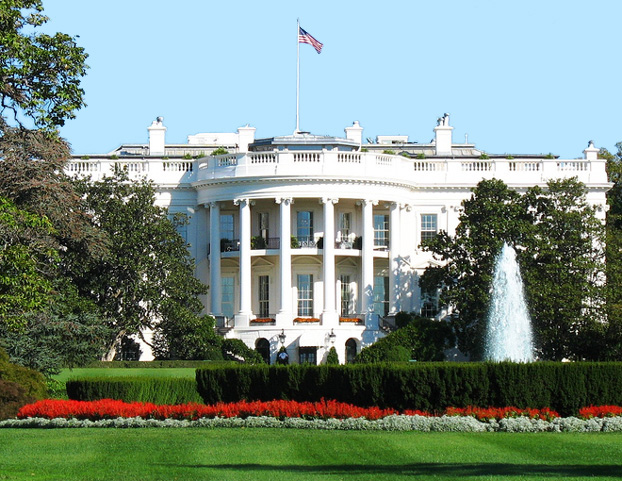
Several bills have been introduced in Congress to block the EPA from regulating coal ash; the most recent passed the House in July but didn't make much leeway in the Senate. We will find out in the next week whether the White House picks Option C or D, or, more likely than not, some combination of the two options. Rules do not come out of the OMB review in the same shape in which they went in. The OMB's role is, in theory, to allocate finite resources, ensure relevant agencies are sharing scientific information and cost data, and to make sure the final regulation takes the public comments into consideration. In practice, however, the OMB places the ultimate authority for rule-making in the hands of the OMB personnel, who may not be experts in the substantive areas of regulations and are not accountable to Congress or the electorate. With this wide leeway, and the intense lobbying from all sides, the best bet is that the White House OMB will authorize a blended approach, some where between Option C and Option D. As the wise philosopher Adam Levine once sang: "it's not always rainbows and butterflies, it's compromise that moves us along."
In any event, many in the industry already are preparing for the changes that either option will bring. Electricity-producers, waste management firms, and construction companies will be immediately affected by these regulations. Electricity-users (aka all of us) will also see an effect down the road as the changes are implemented.
In any event, many in the industry already are preparing for the changes that either option will bring. Electricity-producers, waste management firms, and construction companies will be immediately affected by these regulations. Electricity-users (aka all of us) will also see an effect down the road as the changes are implemented.

.jpg)